Colour choice
Matching grout softens the layout, while contrast grout highlights tile shape and pattern. Always test against the tile if possible.
Grout affects both performance and appearance. Choose the right grout for joint width, tile finish, room use and the final colour you want across floors and walls.
Matching grout softens the layout, while contrast grout highlights tile shape and pattern. Always test against the tile if possible.
Bathrooms and showers need suitable products, good preparation and proper sealing around junctions with silicone.
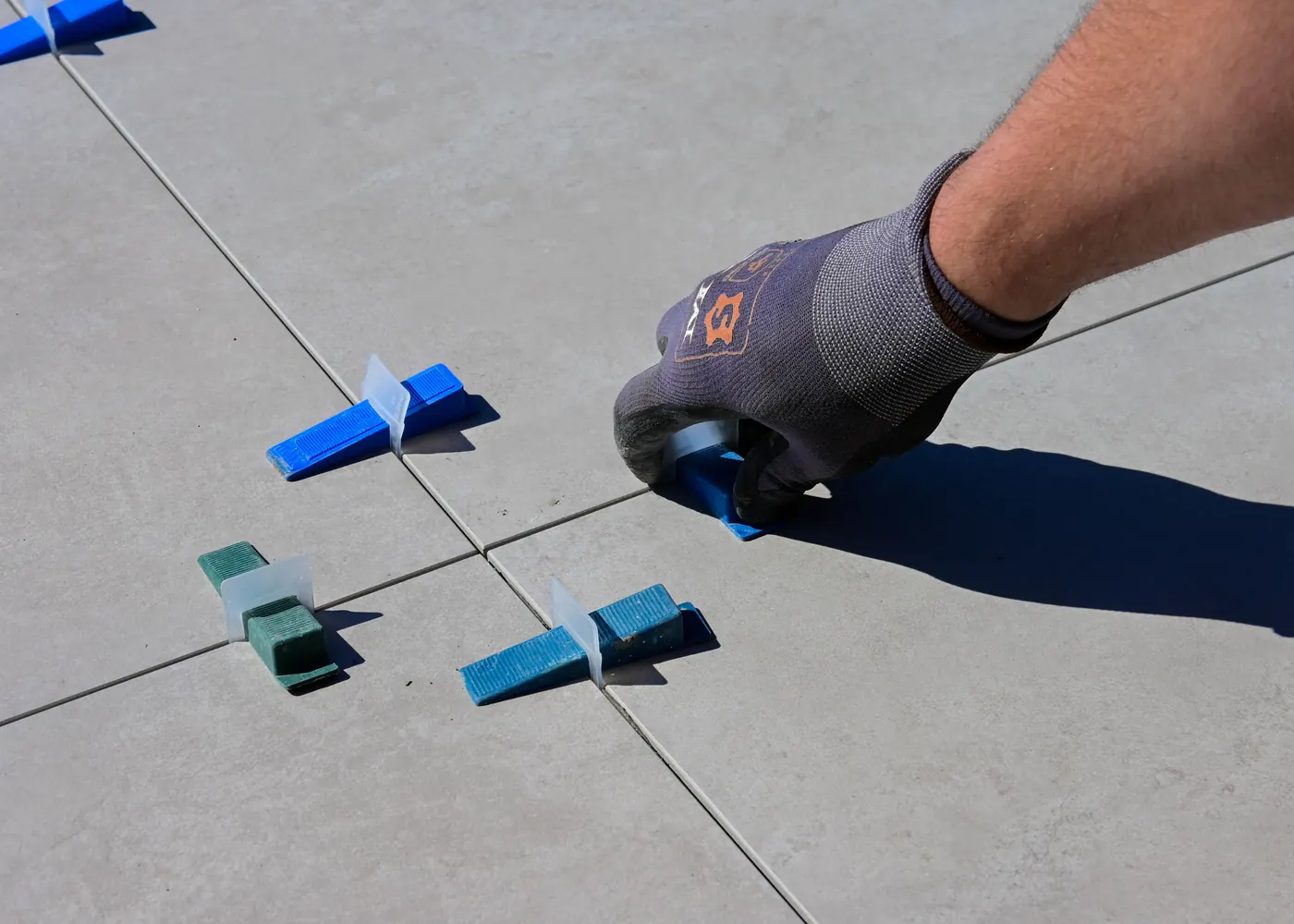
Consistent joint spacing, clean wash-off and correct curing time make a noticeable difference to the final result.
Tile size, edge type and installation area affect joint width. Planning this early helps the finished surface look more even.
Correct curing, cleaning and sealing where required help grout keep its colour and reduce staining in busy areas.
Neutral matching tones are safest; contrast colours work well when you want to show the tile layout.
Grout is part of the finish, but waterproofing depends on the correct tanking and substrate preparation underneath.
That depends on the tile edge, tile size and installation area. Rectified tiles can often use narrower joints than rustic edges.
Some grouts and natural stone installations may need sealing. Product choice and tile material determine the right approach.
Often yes, but check joint width, room use and product suitability before choosing one grout for the whole job.